

Drivers are facing renewed pressure at the pumps.
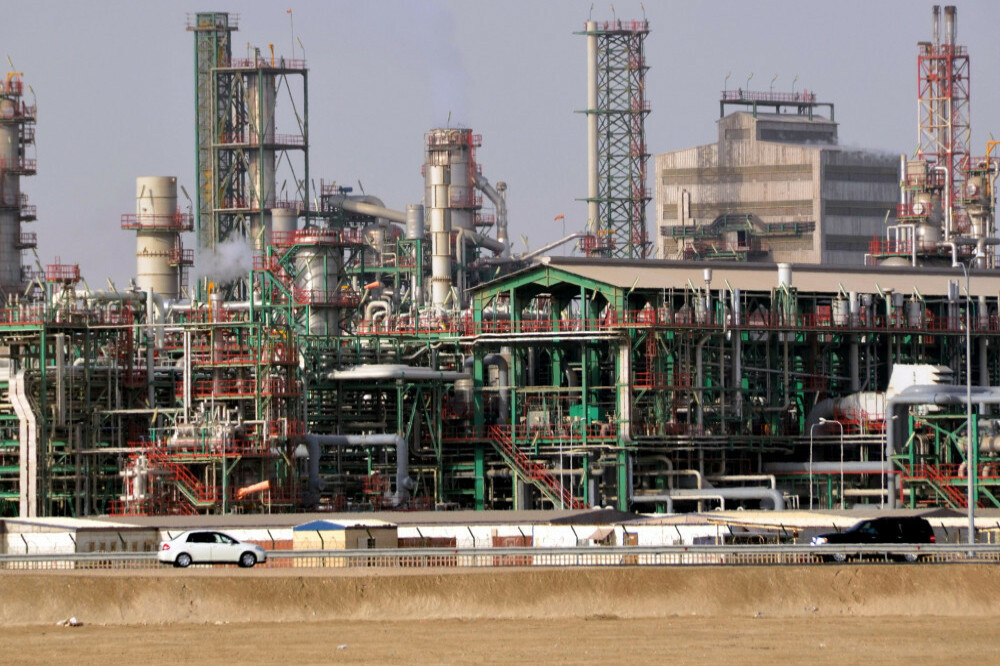
Drivers face possible pump price rises as global oil costs surge
Global oil prices have climbed to their highest level since 2022, raising concerns that motorists could soon see rising fuel costs as geopolitical tensions in the Middle East continue to escalate.
Brent crude surged above $126 per barrel in early trading before easing to around $122, with analysts warning that further disruption could push prices even higher.
The increase is being driven largely by uncertainty in the region, with reports suggesting the United States could be preparing potential military action against Iran.
Any escalation could impact the Strait of Hormuz, a critical shipping route through which around one-fifth of the world’s oil supply passes, increasing the risk of supply disruption and higher global fuel prices.
For motorists, this could translate into more expensive petrol and diesel in the coming weeks, particularly as summer travel demand begins to rise.
The situation may also have wider implications for travel, with concerns raised about potential knock-on effects for aviation fuel supplies and holiday plans.
Prime Minister Sir Keir Starmer said: “We’ll see how long the conflict goes on.”
He added: “I can see that, if there’s more impact, people might change their habits… where they go on holiday this year, what they’re buying in the supermarket, that sort of thing.”
A government spokesperson said contingency planning was under way to manage potential disruption.
He said: “We are ramping up planning for all different potential impacts on the UK economy and consumers, and that means focusing on live monitoring of stock levels and what plans are in place for addressing supply chain disruption.”
He added: “On holidays… I just want to reiterate that UK airlines are clear that they are not currently seeing a shortage of jet fuel.”
He said: “It’s typically bought in advance with airports and their suppliers keeping stocks of bunkered fuel to support their resilience.”
Officials are continuing to work with fuel suppliers, airlines and international partners to maintain stability while the situation develops.