

Holidaymakers have been warned to check their vaccinations as measles cases rise sharply across the UK and Europe.
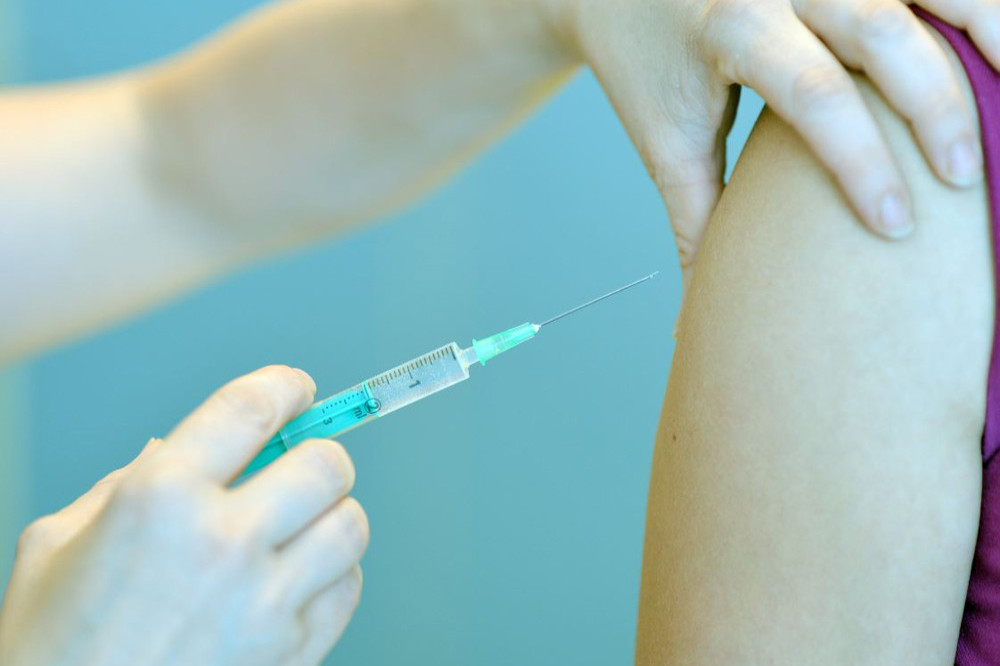
Travellers urged to check MMR vaccination as Victorian-era disease spreads across the UK and Europe
The highly infectious viral disease first widely recorded in the Victorian era, was largely eradicated in the UK and Europe thanks to widespread vaccination programmes in the mid-20th century.
However, falling vaccination rates in recent years have caused a resurgence, with outbreaks spiking across multiple countries.
Health officials are urging travellers to ensure they are fully protected with the MMR (measles, mumps, rubella) vaccine ahead of the Easter holiday period.
Ireland’s Health Service Executive (HSE) issued the advisory after “ongoing cases and recent outbreaks of measles in Europe and the UK,” warning travellers to familiarise themselves with symptoms. A spokesperson for the HSE told The Express: “Measles is a viral infection which can result in serious complications. It is highly infectious and can spread easily. Latest data show MMR uptake among children aged 24 months is 87.6%, which remains below the World Health Organization target of 95% needed to prevent outbreaks.”
According to the UK Health Security Agency (UKHSA), 158 laboratory-confirmed cases have been reported in England between 1 January and 23 February 2026, primarily among children aged 10 and under. London has seen the majority of infections, with Enfield, Birmingham, and Haringey recording the highest numbers. A major outbreak in North London has driven much of the increase.
Although no measles-related deaths have been reported this year, health officials warn that the disease can cause serious complications, especially in young children and vulnerable adults.
Early symptoms typically appear about 10 days after infection and include aches and pains, runny nose, sneezing, cough, sore red eyes sensitive to light, fever above 38°C, tiredness, and loss of appetite. A distinctive rash usually develops two to four days later, spreading from the face or neck across the body.
Health officials advise anyone unsure of their vaccination status to contact their GP.
The HSE said: “The MMR vaccine remains the most effective protection against measles.”
Families are urged to stay home and contact a doctor if infection is suspected, avoiding contact with others unless fully vaccinated. With millions planning trips abroad for Easter, authorities are stressing the importance of up-to-date immunisations to prevent further spread across Europe.
Tagged in Queen Victoria