

UK birth rates hit lowest level in three years, threatening the future of middle-born siblings.
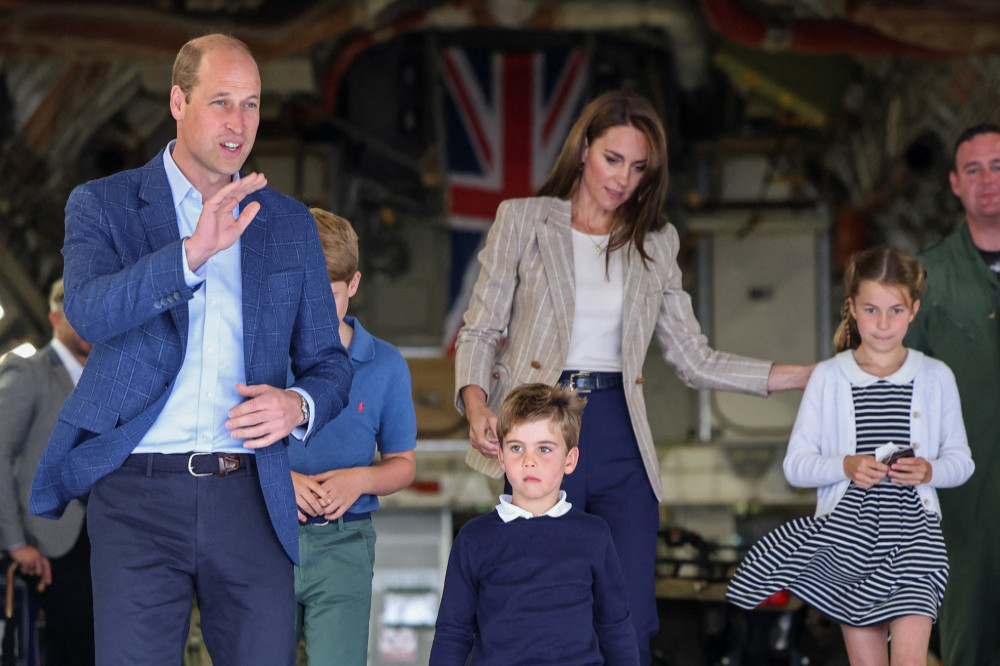
Middle children could disappear from future families
In families of three, middle children occupy a unique space. They are often overshadowed by the oldest sibling’s responsibility or the youngest’s attention-grabbing needs, giving rise to the so-called “middle child syndrome,” a term popularised from the early 1900s by psychotherapist Alfred Adler.
While not a recognised medical condition, the idea reflects distinct behavioural patterns often observed in middle-borns.
Jessie, 33, the middle sibling in a family of three, told the Telegraph: “I was neither the oldest nor the baby, so I became fiercely independent early on. I wanted to be different and set myself apart—I was a tomboy and wanted to be the opposite of my older sister.”
Her younger sister Eleanor added: “For most of our childhood, I wanted to emulate Jessie, while I think Alexandra competed with her. Jessie was wild, and I was fascinated by her energy.”
Georgina Sturmer, counsellor and relationship advisor, noted that middle children play a pivotal role in family dynamics, influencing the development of their siblings for better or worse.
She said: “There are many stereotypes associated with birth order. Middle children are often left to their own devices, which can be a detriment or a benefit. Their development is shaped by a combination of family dynamics, attachment, and parental responsiveness, not just their birth position.”
With smaller families becoming the norm, experts suggest the qualities historically associated with middle children - independence, creativity, and adaptability - may become scarce.
Strumer added: “They often act as the glue in the family, negotiating, mediating, and keeping balance. Their absence will be felt, both socially and psychologically.”
Tagged in Prince William Princess Charlotte