

The UK’s switch to electric vehicles could be under threat as lithium shortages loom.
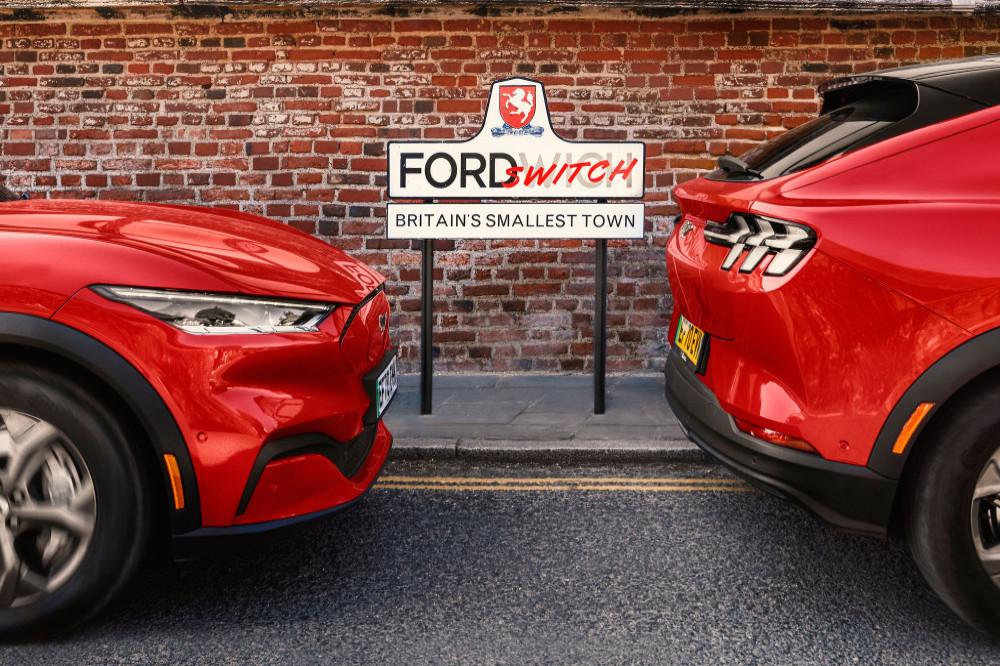
Rising EV sales could be slowed by global lithium supply constraints
Experts warn that global demand for lithium, essential for EV batteries, could exceed 13 million tonnes by 2050 as sales of electric vehicles continue to surge.
Current supply projects are unlikely to keep pace beyond the mid-2030s, raising concerns for the UK’s plan to end sales of petrol and diesel cars by 2030 and make all new cars zero-emission by 2035.
Under a “delayed transition” scenario, the lithium market remains adequately supplied until 2037 before entering a deficit, according to Wood Mackenzie’s latest Energy Transition Outlook for Lithium. Rechargeable batteries across all applications are projected to account for 96–98% of lithium consumption by mid-century.
Allan Pedersen, research director at Wood Mackenzie, told Birmingham Live: “The lithium market is heading into a supply crunch much sooner than many industry players expect. The industry needs to act now should governments progress policies towards net zero. Projects approved today will determine market balance in the critical 2030s.”
Lithium is critical to EVs because of their reliance on lithium-ion batteries, which power everything from passenger cars to public transport vehicles.
Analysts warn that without investment in new supply projects, the rapid expansion of EVs could be slowed or delayed.
The report also highlights that new mining projects and investment in battery recycling will be essential to meet rising demand. Supply constraints could affect not only vehicle production but also the broader energy transition, as lithium is used in renewable storage systems. Industry groups have urged governments to streamline permitting processes for new projects and to support research into alternative battery technologies to avoid shortages.
Failure to address supply could slow progress toward the UK’s net-zero targets, potentially raising costs for manufacturers and consumers while delaying the broader shift away from fossil-fuel vehicles.