

Lifestyle factors account for more than a quarter of healthy years lost to breast cancer worldwide.
Healthy lifestyle choices reduce the risk of breast cancer
Breast cancer is the most commonly diagnosed malignancy in women and a major cause of premature death. Evidence shows that modifiable behaviours, including diet, body weight, and exercise, play a significant role in determining risk
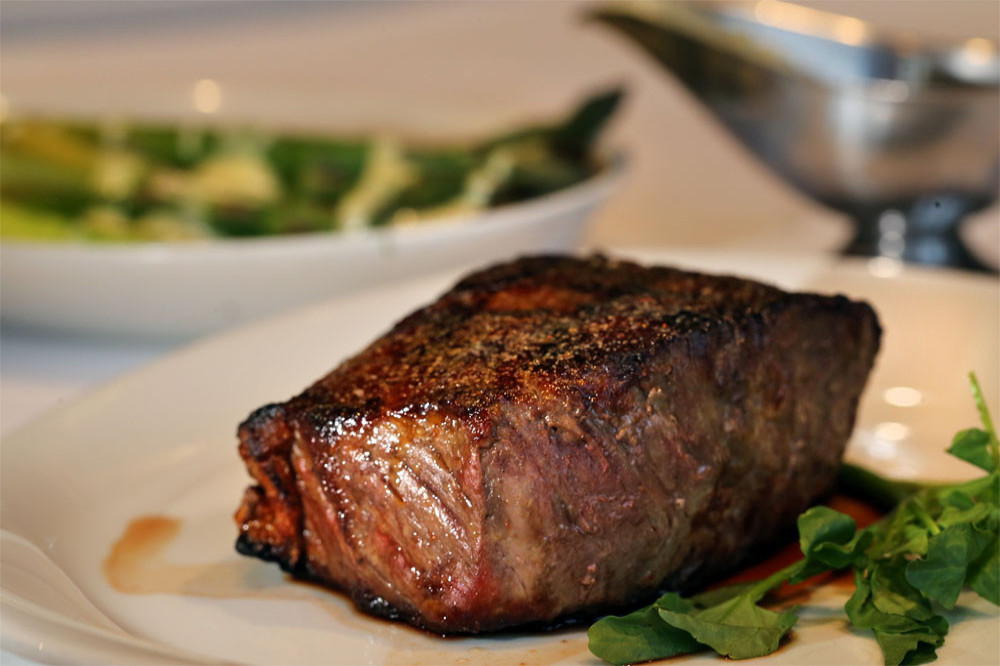
Research published in The Lancet Oncology found that behaviours such as high red meat consumption, smoking, high alcohol intake, and low physical activity significantly contribute to illness and early death from the disease.
The study analysed population-based cancer registry data from more than 200 countries between 1990 and 2023 and projected trends to 2050.
The analysis by the Global Burden of Disease Study Breast Cancer Collaborators estimates that new breast cancer cases among women will rise by more than a third globally, from 2.3 million in 2023 to over 3.5 million by 2050.
In the UK, about one in seven women is expected to develop breast cancer in her lifetime.
Researchers found that adopting healthier behaviours - including not smoking, maintaining a healthy body mass index, being physically active, and reducing red meat intake - could prevent more than a quarter of healthy years lost worldwide.
Kayleigh Bhangdia, lead author from the Institute for Health Metrics and Evaluation at the University of Washington, told The Guardian: “Breast cancer continues to take a profound toll on women’s lives and communities. While those in high-income countries typically benefit from screening and more timely diagnosis and comprehensive treatment strategies, the mounting burden of breast cancer is shifting to low- and lower middle-income countries where individuals often face later-stage diagnosis, more limited access to quality care and higher death rates that are threatening to eclipse progress in women’s health.”
Globally in 2023, women aged 55 and over were diagnosed at three times the rate of those aged 20 to 54, though incidence among younger women has risen by 29% since 1990.
The study found that 28% of the global breast cancer burden - 6.8 million healthy years lost - was linked to six modifiable risk factors, with red meat intake and tobacco use having the greatest impact.
Sophie Brooks, health information manager at Cancer Research UK, said: “Prevention remains a key way to reduce rates, with a significant number of cases globally linked to preventable factors like smoking, overweight and obesity, and alcohol."