

Researchers have developed a blood test that shows promise for detecting glioblastoma and potentially other brain tumours earlier than current methods.
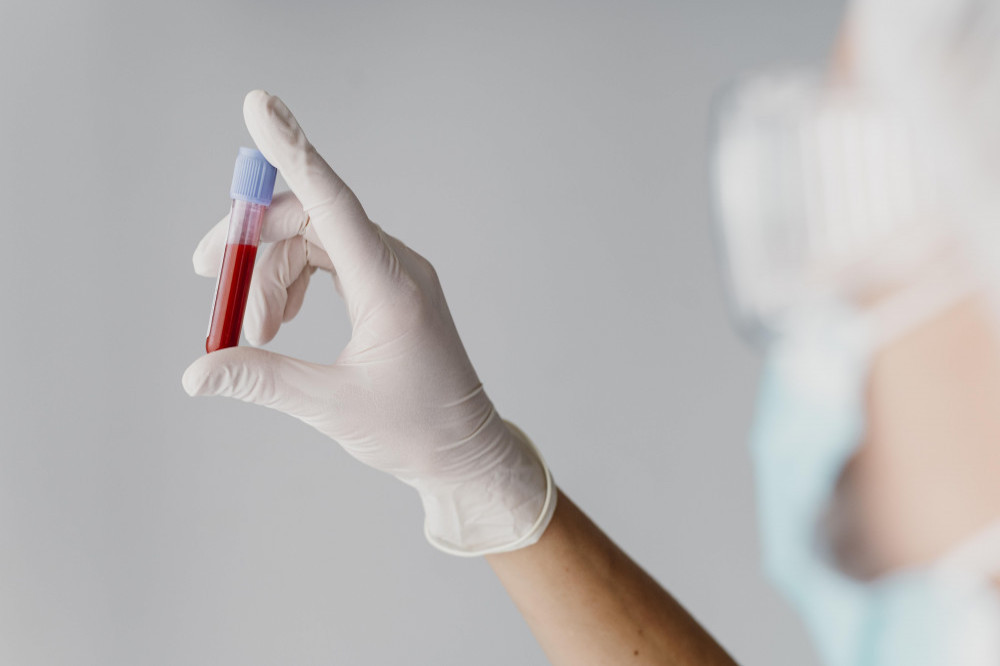
Scientists develop new blood test that could detect glioblastoma early
The test has demonstrated over 90% accuracy and could allow general practitioners to identify aggressive brain cancers more quickly, potentially improving patient outcomes.
The study was led by scientists at the University of Manchester, in collaboration with teams in Denmark. Researchers identified two proteins in the blood that serve as markers for tumours. Clinical trials are now underway at six sites across the UK and four internationally.
Currently, diagnosing brain tumours often requires MRI scans and invasive surgical biopsies, which can delay treatment. In the trial, patients with glioblastoma were monitored using the blood test during surgery, radiotherapy, and chemotherapy to validate its effectiveness.
Prof Petra Hamerlik, who led the research and lost her father to glioblastoma, described the cancer as “one of the most devastating cancers we face.”
She told the BBC: “The idea with our work is that, if you come more than once with a headache, such as three times, and if the doctor suspects a brain tumour, they would run this test. The risk score would indicate that you might have a malignant growth in your brain, and you should go for MRI.”
She added: “The idea is to develop a device – something like a Covid test – to start with. If this is confirmed, then it will be submitted to regulatory bodies and hopefully brought into the NHS within a decade.”
Dr Simon Newman, chief scientific officer at the Brain Tumour Charity, said the research marks “a significant step towards a simple blood test” that could help clinicians detect glioblastoma more efficiently.
The team hopes the test could offer a faster, less invasive option for early diagnosis, providing clinicians and patients with a practical tool to identify tumours sooner and monitor them in real time.