

Chronic pain may not always be caused by damaged tissues.
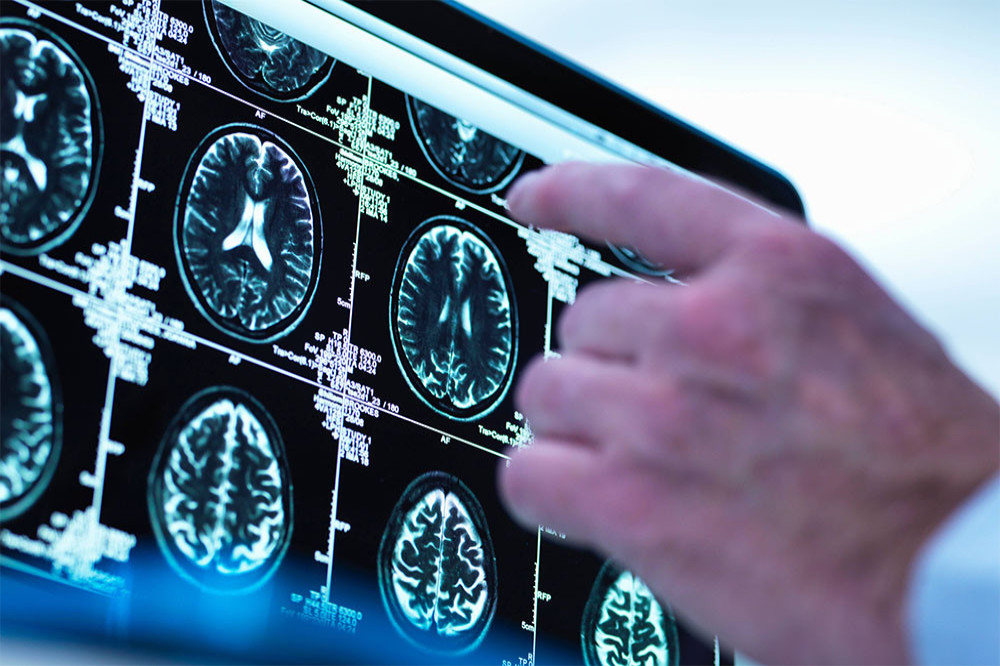
Expert says chronic pain may be driven by the brain’s faulty prediction system
Professor Mick Thacker, a neuroscientist and professor of pain, physiotherapy and rehabilitation at the Royal College of Surgeons in Ireland, says emerging research suggests many chronic pain conditions may be sustained by maladaptive nervous system responses rather than ongoing structural injury.
According to Prof Thacker, persistent problems such as back pain can develop when the brain and body continue to interpret threat signals long after tissues have healed, creating self-reinforcing “prediction errors” that maintain pain.
He told The Telegraph: “Pain is a perception and it is contextual.”
He argues that pain should not be viewed purely as a direct signal from an injured body part, but as an experience influenced by expectation, previous injury, stress, behaviour and environment.
In this model, the nervous system continuously predicts what the body should feel and adjusts in response.
He said: “Rather than your nervous system being like a cognitive couch potato, just waiting for signals to be sent to it, all the systems in your body are constantly making predictions and adapting. When there’s any difference, that’s what produces a ‘prediction error’, similar to an error alert on a computer – the body senses something is wrong and perceives this as pain.”
Prof Thacker points to phantom limb pain as a well-known example of this process, where amputees can experience severe pain in a limb that no longer exists.
He said: “The body expects there to be a limb there and when there isn’t one, there is a massive prediction error.”
He says similar mechanisms may help explain why some people continue to suffer chronic back pain after an initial strain has resolved, with the nervous system remaining hypersensitive despite tissue recovery.
He said: “This is absolutely not saying ‘pain is just in your head’. The pain is undeniably real.”
Rather than depending solely on scans, surgery or medication, Prof Thacker says treatment should also focus on restoring confidence in movement, reducing fear and gradually returning patients to normal activity.
He said: “People must be encouraged to start to move their bodies again, to engage in social connections and to start to reintroduce activities, instead of avoiding them out of fear it might hurt.”
Thacker adds that walking, maintaining hobbies, regular sleep and staying socially connected can all play an important role in reducing flare-ups and improving long-term recovery.