

Electric vehicle (EV) drivers in the UK could face rising charging costs after energy prices for public chargepoint operators soared by tens of thousands of per cent, industry figures warn.
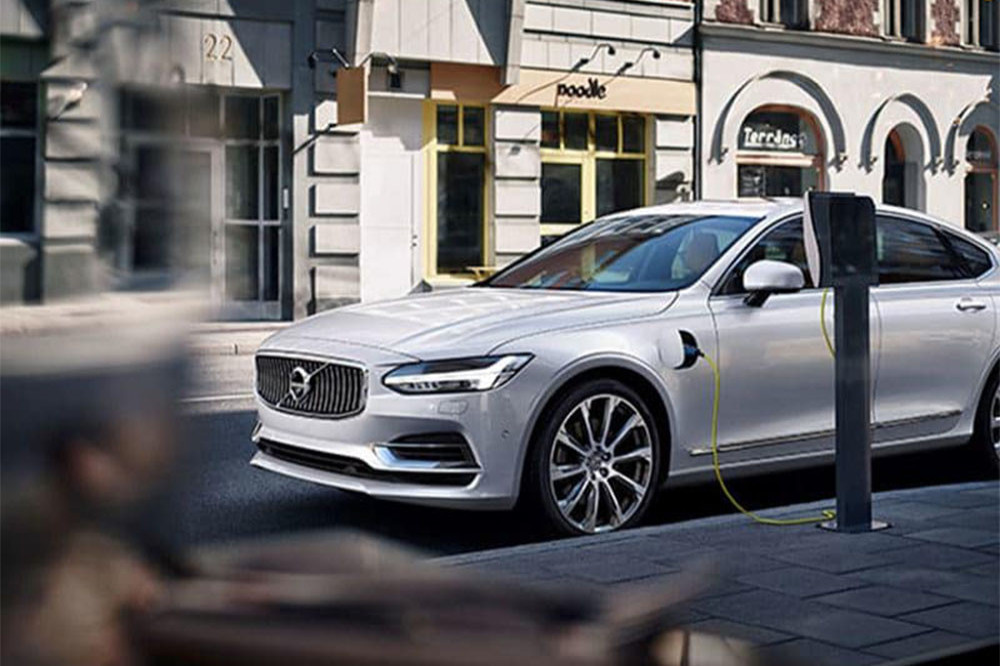
Drivers warned energy cost hikes could push EV charging prices higher
Osprey Charging reported that its energy costs at a site in Wolverhampton jumped from around £87 a year to £33,651 – a 38,579 per cent increase. Similarly, chargepoint operator Fastned said it now pays around £41,000 annually to maintain a site in Hamilton, South Lanarkshire.
Operators say standing charges based on grid connection size rather than actual energy use, introduced in 2023, have left many public chargers vulnerable to sharp price increases. They warn that these higher costs could soon be passed on to drivers if support isn’t provided or pricing structures aren’t reviewed.
Despite the warning, the broader economics of EV ownership remain competitive with petrol and diesel vehicles. Recent analysis of the new car market shows the gap in price between internal combustion engine vehicles and EVs has narrowed significantly over the past year.
Pat Hoy, founder of Insider Car Deals, said: "Once people regularly get to see that EVs can be cheaper to buy, as well as cheaper to run, they will be far more open to really listening to the wider range of arguments for buying an electric car."
Tanya Sinclair, CEO of Electric Vehicles UK, added: "Drivers often assume electric cars cost more, but the latest pricing data tells a different story. When EVs are already matching or beating petrol cars on monthly payments – and running costs are lower – the economics of switching become very hard to ignore, especially when global events can push petrol prices higher overnight."